
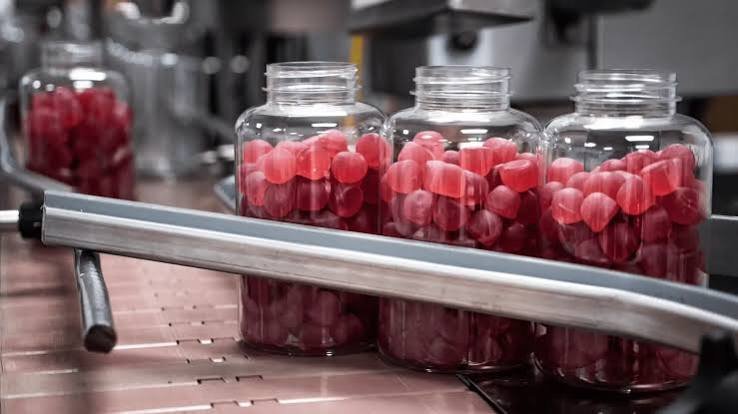
A custom supplement formulation brief should give a manufacturer a clear picture of the business objective and the technical constraints without pretending that every formula decision is already settled. Custom formulation begins with a problem statement, not a list of fashionable ingredients. The brand should define the customer, intended use occasion, desired product form, market, commercial price range, and the reason a standard catalog option would not meet the brief. That context guides formulation tradeoffs.
The brief should explain who the product is for, what consumer need the brand plans to address, how the product will be used, and how it differs from the rest of the portfolio. Turn the concept into ranked requirements. Separate mandatory ingredients and exclusions from preferred flavors, colors, packaging, or ancillary features. A manufacturer can then identify which requirements conflict, which can be tested through a prototype, and which decisions need evidence or regulatory review before a sample is meaningful.
Key inputs include preferred ingredients, excluded ingredients, expected serving, dosage form, target price band, desired package, target markets, and any issues that require technical or regulatory review. The development plan should describe how the brand will assess a prototype. It may need to evaluate texture, serving size, flavor, package fit, label language, or manufacturing cost. Without that plan, each sample round risks becoming a new brainstorming session rather than evidence for a defined decision.
The development discussion becomes more disciplined when custom supplement formulation is used to prompt questions about fixed constraints, assumptions, prototype tests, and decision owners. Ownership and change control should be discussed early. Record who approves the formula direction, who reviews artwork and claims, what information is confidential, and how revisions are documented. Those operational details protect both parties when a project moves from an exploratory brief toward a commercial specification.
The sample request should list the questions a prototype needs to answer, such as taste, serving practicality, ingredient compatibility, format suitability, or packaging interaction. Custom formulation begins with a problem statement, not a list of fashionable ingredients. The brand should define the customer, intended use occasion, desired product form, market, commercial price range, and the reason a standard catalog option would not meet the brief. That context guides formulation tradeoffs.
The formulation plan should also identify what specifications, test plans, and supporting documents are required before commercial production is approved. Turn the concept into ranked requirements. Separate mandatory ingredients and exclusions from preferred flavors, colors, packaging, or ancillary features. A manufacturer can then identify which requirements conflict, which can be tested through a prototype, and which decisions need evidence or regulatory review before a sample is meaningful.
A custom project should earn its added complexity by solving a meaningful portfolio or audience problem that a stock option cannot address. The development plan should describe how the brand will assess a prototype. It may need to evaluate texture, serving size, flavor, package fit, label language, or manufacturing cost. Without that plan, each sample round risks becoming a new brainstorming session rather than evidence for a defined decision.
A disciplined formulation brief helps the development conversation stay focused on feasibility, not on untested assumptions. Ownership and change control should be discussed early. Record who approves the formula direction, who reviews artwork and claims, what information is confidential, and how revisions are documented. Those operational details protect both parties when a project moves from an exploratory brief toward a commercial specification. A custom formula brief should conclude by listing the requirements that are fixed, the assumptions that a prototype must test, and the person who approves a change. That structure keeps the development process from becoming an open-ended set of ingredient requests.
About the Author