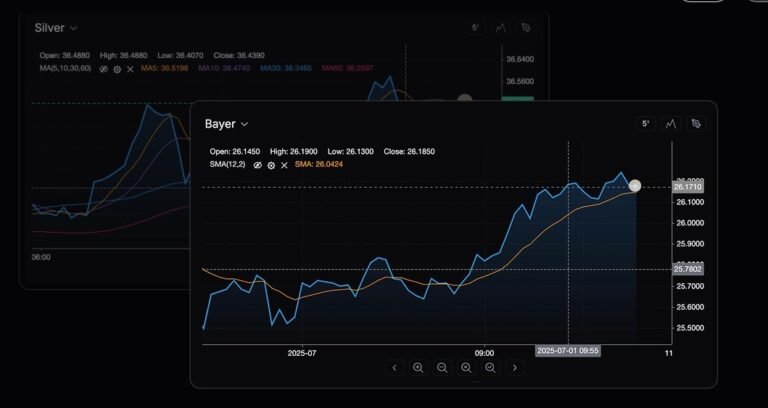

Cryptocurrency trading has evolved rapidly over the past decade. What was once considered a niche market dominated by tech enthusiasts is now a global financial ecosystem attracting investors, institutions, and everyday individuals. As digital assets become more integrated into mainstream finance, understanding how to trade safely and strategically is more important than ever.
In this comprehensive guide, we’ll explore how cryptocurrency trading works, key strategies for success, risk management techniques, and how modern platforms like access here can help traders make informed decisions in a fast-moving market.
Understanding Cryptocurrency Trading
Cryptocurrency trading involves buying and selling digital assets such as Bitcoin, Ethereum, and other altcoins with the goal of making a profit. Unlike traditional stock markets, crypto markets operate 24/7, providing continuous opportunities — and risks.
How Crypto Markets Differ from Traditional Markets
There are several fundamental differences between crypto and traditional financial markets:
- Decentralization: Most cryptocurrencies operate on decentralized networks using blockchain technology.
- Volatility: Price fluctuations can be significant within short timeframes.
- Global Access: Anyone with internet access can participate.
- Continuous Trading: No closing bell — markets run around the clock.
Because of these factors, traders must develop disciplined strategies rather than relying on luck or hype.
Why More Adults Over 35 Are Entering the Crypto Market
While younger investors initially dominated the crypto space, there has been a noticeable increase in participation from individuals aged 35 and above. This demographic often approaches crypto trading with:
- A long-term wealth-building mindset
- Greater financial discipline
- Experience in traditional investments
- Stronger risk assessment capabilities
For this audience, clarity, reliability, and security are essential. Choosing a trusted platform such as https://coinpilot.pt/ can provide access to tools designed to support informed decision-making.
Types of Cryptocurrency Trading Strategies
Successful trading is rarely impulsive. It typically involves a well-defined strategy aligned with your financial goals and risk tolerance.
1. Day Trading
Day traders open and close positions within the same day. This strategy requires:
- Constant market monitoring
- Strong technical analysis skills
- Quick decision-making
It can be profitable but demands time and emotional control.
2. Swing Trading
Swing trading involves holding assets for several days or weeks to capture medium-term price movements. It is often more suitable for professionals or business owners who cannot monitor charts all day.
3. Long-Term Investing (HODLing)
Some traders buy cryptocurrencies and hold them for years. This strategy focuses on:
- Fundamental analysis
- Belief in long-term blockchain adoption
- Reduced short-term stress
For many over 35, this approach aligns better with long-term wealth preservation goals.
4. Algorithmic and AI-Assisted Trading
Modern platforms increasingly integrate automated tools and artificial intelligence to analyze trends and provide data-driven insights. These tools can reduce emotional bias and improve consistency.
Key Factors That Influence Cryptocurrency Prices
Understanding what moves the market is essential for making rational decisions.
Market Demand and Supply
Basic economic principles apply. When demand increases and supply remains limited, prices rise — and vice versa.
Regulatory Developments
Government policies can significantly impact the crypto market. Positive regulatory clarity often boosts investor confidence, while restrictive policies may cause temporary declines.
Technological Updates
Major upgrades to blockchain networks, new features, or security improvements can affect market sentiment.
Global Economic Conditions
Inflation rates, interest rate decisions, and geopolitical events influence risk appetite worldwide — including in crypto markets.
Risk Management: The Foundation of Smart Trading
Many traders focus only on potential profits while ignoring risk control. However, protecting capital is the most critical component of long-term success.
Diversification
Avoid putting all your capital into a single asset. Spreading investments across multiple cryptocurrencies can reduce exposure to sudden downturns.
Stop-Loss Orders
Setting predefined exit points limits potential losses during market volatility.
Position Sizing
Never risk more than a small percentage of your total portfolio on one trade. Conservative traders often limit exposure to 1–3% per position.
Emotional Discipline
Fear and greed are powerful forces. Following a clear trading plan prevents impulsive decisions driven by market noise.
Choosing the Right Trading Platform
With hundreds of crypto platforms available, selecting a reliable one is crucial. Consider the following:
Security Measures
- Two-factor authentication
- Cold wallet storage
- Transparent operational practices
User-Friendly Interface
A clean, intuitive dashboard helps traders focus on analysis rather than navigation.
Educational Resources
Platforms offering guides, tutorials, and market insights empower users to grow their knowledge.
Transparent Fees
Hidden charges can erode profits. Clear fee structures are essential.
If you’re looking to explore a platform designed with both beginners and experienced traders in mind, you can access here to review available features and tools.
Common Mistakes to Avoid
Even experienced investors can fall into common traps.
Overtrading
Constant buying and selling can lead to excessive fees and emotional exhaustion.
Following Social Media Hype
Market rumors and viral trends rarely substitute for proper research.
Ignoring Security
Failing to use strong passwords or secure storage increases the risk of asset loss.
Investing Money You Cannot Afford to Lose
Cryptocurrency remains a high-risk asset class. Responsible investing means only allocating capital you can comfortably manage.
The Role of Technology in Modern Crypto Trading
Advancements in fintech have transformed how traders interact with digital markets.
Advanced Charting Tools
Professional-grade charts help identify patterns and trends.
Real-Time Data Analysis
Instant access to market information supports quicker decision-making.
Mobile Accessibility
Trading apps allow users to monitor portfolios anytime, anywhere.
Automated Alerts
Notifications about price movements reduce the need for constant screen monitoring.
These innovations help bridge the gap between traditional finance and digital assets, making crypto trading more accessible to a broader audience.
Long-Term Outlook of Cryptocurrency
Despite volatility, cryptocurrencies continue to gain institutional adoption. Major corporations, investment funds, and even governments are exploring blockchain integration.
Key trends shaping the future include:
- Expansion of decentralized finance (DeFi)
- Growth of tokenized real-world assets
- Increased regulatory clarity
- Enhanced blockchain scalability
For investors over 35 seeking portfolio diversification, crypto may represent a strategic addition provided it is approached with caution and research.
Final Thoughts
Cryptocurrency trading offers exciting opportunities, but it requires discipline, knowledge, and careful planning. Whether you prefer long-term investing or active trading, understanding market dynamics and managing risk are essential for sustainable success.
The key is not to chase rapid profits but to build a structured strategy supported by reliable tools and accurate information. By educating yourself, diversifying wisely, and using secure trading platforms, you can participate in the digital asset revolution with confidence.
If you’re ready to explore structured crypto trading tools and resources, you can access here to begin your journey into smarter digital investing.
About the Author