Personal style is not about owning expensive clothes, copying an influencer, or wearing every trend that appears on your feed. It is about knowing what makes you feel comfortable, confident and genuinely like yourself.
That is where style and confidence connect. When your clothes, grooming and overall presentation reflect your personality, getting dressed becomes easier because you are making choices instead of constantly wondering what you are supposed to wear. A modern baddie-inspired look can be part of that journey, but it does not have to mean copying one exact aesthetic.
This BaddiesHub confidence guide focuses on building personal style from the inside out. You will learn how to discover your preferences, create a signature look, choose colours and accessories, use trends without losing your identity, and develop a style that works for your real lifestyle.
1. What Personal Style Really Means
Personal style is the consistent way you express yourself through clothing, colours, accessories, grooming, beauty choices and presentation.
It is different from fashion. Fashion changes quickly, while personal style develops over time.
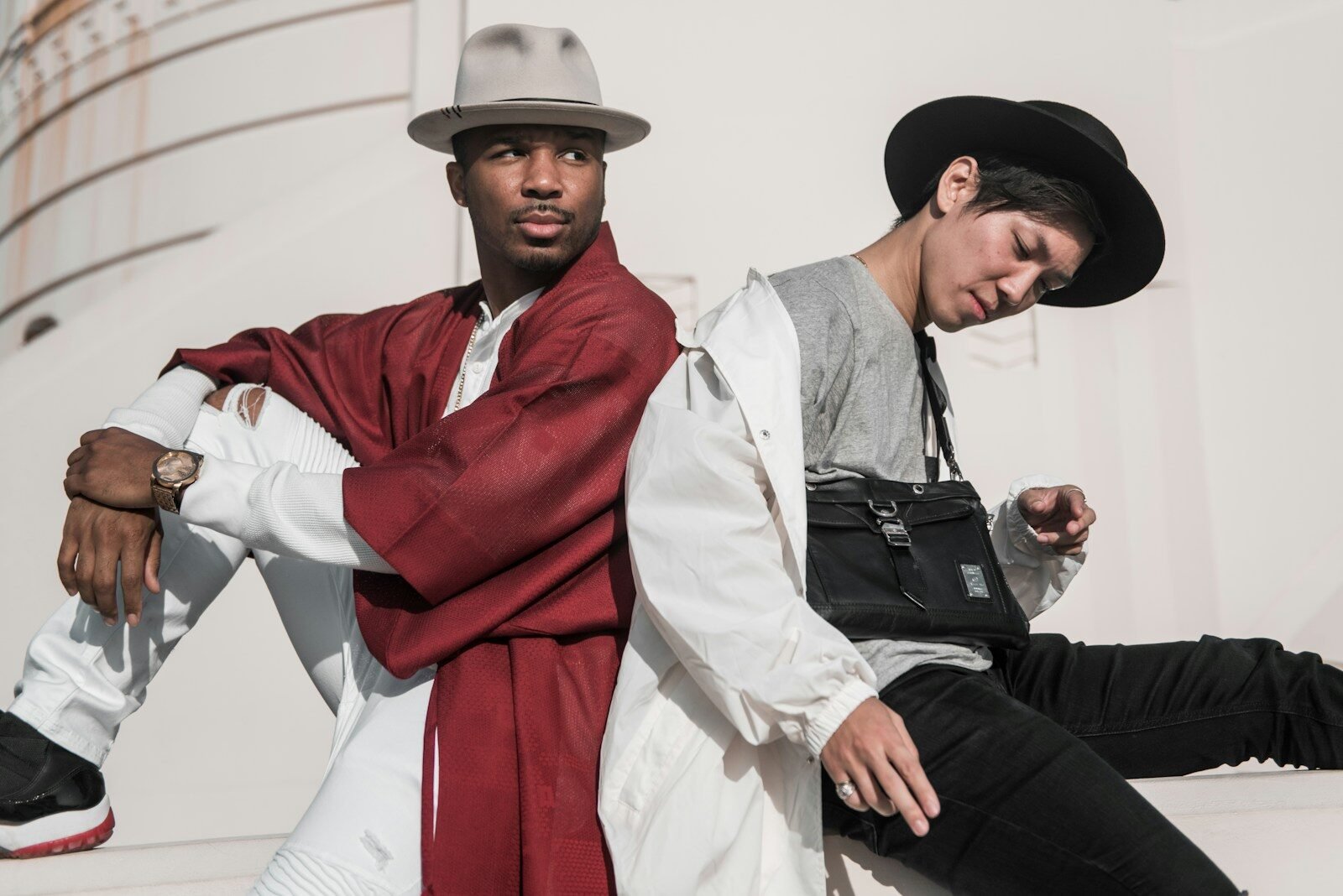
For example, you might enjoy fitted outfits, neutral colours, statement jewellery and polished makeup. Someone else might prefer relaxed denim, sneakers, softer colours and minimal beauty. Both can have strong personal style because neither person needs to dress exactly like everyone else.
A baddie style aesthetic can include confidence, polished outfits, coordinated accessories, beauty details and attention to presentation. But the most useful approach is to treat the aesthetic as inspiration rather than a strict uniform.
The best personal style answers three questions:
- What do I genuinely like?
- What works for my everyday life?
- What makes me feel comfortable and confident?
When those three things overlap, your wardrobe becomes much easier to manage.
2. How Personal Style Can Build Confidence
Clothing cannot create self-worth on its own, but it can influence how you present yourself and how prepared you feel.
A well-planned outfit can remove unnecessary decision-making before work, university, a social event or a casual day out. When you already understand what suits your preferences, you spend less time comparing yourself with other people.
Confidence through fashion is therefore less about looking perfect and more about feeling intentional.
For example, if you know that a particular combination of trousers, top, shoes and jewellery always makes you feel comfortable, that outfit becomes part of your confidence toolkit.
There is also an important difference between confidence and appearance-based validation. You should not need a certain body type, designer label, expensive wardrobe or beauty standard to feel confident.
Your style should support you, not become another standard you feel pressured to meet.
3. How to Discover Your Own Style
If you are asking, “How do I find my personal style?”, start by observing rather than shopping.
Create a style inspiration collection
Save outfits, colours, hairstyles, makeup looks and accessories that genuinely catch your attention. After collecting around 20 to 30 examples, look for patterns.
You may notice that you repeatedly save:
- Monochrome outfits
- Oversized jackets
- Fitted tops
- Gold or silver accessories
- Neutral colours
- Denim
- Sneakers or boots
- Soft glam makeup
- Minimal or statement jewellery
These repeated choices are clues to your natural preferences.
Separate fantasy style from real-life style
An outfit can look amazing online but still be impractical for your daily routine.
Ask yourself:
Would I actually wear this?
Consider your work or study environment, weather, comfort, transport, social activities and how much time you realistically spend getting ready.
Your strongest personal fashion style should work outside the screen.
Choose three style words
Pick three words that describe how you want your style to feel.
For example:
Polished + Bold + Comfortable
or
Soft + Feminine + Minimal
or
Edgy + Casual + Confident
These words become a filter when you are deciding whether a new item belongs in your wardrobe.
4. Building a Signature Look
A signature look does not mean wearing the same outfit every day. It means developing recognisable elements that make your style feel consistent.
Start with one or two recurring features.
You could use:
- A favourite colour combination
- A particular jewellery style
- A reliable hairstyle
- A preferred makeup finish
- A specific shoe style
- A repeated silhouette
- A favourite jacket or layering piece
For a baddie-inspired wardrobe, you might combine a fitted basic top, structured outer layer, coordinated bottoms, clean footwear and simple statement accessories.
The key is coordination rather than quantity.
A useful trick is to build outfits around a hero piece. Choose one item that gets attention, then keep the rest of the outfit relatively balanced.
For example, if the statement is a bold jacket, the accessories can be simpler. If the jewellery is dramatic, the clothing can provide a cleaner background.
This creates an intentional look without making every element compete for attention.
5. Choosing Clothes, Colours and Accessories
Good styling starts with understanding what works together.
Start with a practical colour system
You do not need a wardrobe filled with dozens of colours. Choose a small group that you enjoy wearing.
A simple system could include:
2 to 4 base colours: black, white, beige, grey, navy or denim.
1 to 3 accent colours: a shade you enjoy and can use through tops, bags, shoes, nails or accessories.
This makes outfit coordination much easier.
Choose clothes for comfort and movement
A flattering outfit is not simply one that follows a particular body standard. It is one that fits properly, allows movement and makes the wearer feel comfortable.
Instead of asking only, “Does this look trendy?”, ask:
- Can I move comfortably?
- Does the fit feel right?
- Can I wear it for several hours?
- Does it work with other pieces I own?
- Would I still like it without seeing it on social media?
Those questions help prevent impulse purchases.
Use accessories intentionally
Accessories can completely change an outfit.
A simple outfit can feel more polished with the right bag, earrings, watch, necklace, belt, sunglasses or shoes. But adding more accessories does not automatically make an outfit better.
Think about balance.
If your clothes already contain strong patterns or colours, choose simpler accessories. If your outfit is minimal, one statement accessory can create the focal point.
6. How to Use Trends Without Losing Your Identity
One of the biggest personal-style mistakes is confusing trend awareness with trend dependence.
Trends can provide excellent inspiration. They introduce new colours, silhouettes, accessories and styling combinations. But not every trend deserves a place in your wardrobe.
Before adopting a trend, ask:
Does this fit my existing style?
Can I wear it more than once?
Does it work with clothes I already own?
Would I like it if it were not currently popular?
If the answer is yes, the trend may be worth experimenting with.
This is especially useful with baddie fashion because social media can make one aesthetic appear universal when real personal style is much more varied.
Take the part you like and adapt it.
You might borrow the confident attitude of a baddie aesthetic while choosing your own colours, level of makeup, clothing fit and accessories.
That is how inspiration becomes personal style.
7. Common Personal Style Mistakes
Building your own style becomes easier when you know what to avoid.
Copying one person completely
An influencer’s outfit is designed around their preferences, lifestyle and presentation. Take inspiration from the styling idea rather than copying every detail.
Buying clothes without a plan
A cheap item is not a good purchase if you never wear it. Before buying something new, think about at least three outfits you could create with it.
Chasing every micro-trend
Constantly replacing your wardrobe makes personal style harder to establish. Keep the pieces that define your style and use trends as occasional updates.
Ignoring comfort
If you constantly adjust an outfit, avoid sitting comfortably or feel uncomfortable throughout the day, confidence usually suffers.
Believing expensive means stylish
Style comes from coordination, fit, colour, grooming and personal expression. A high price tag cannot replace those things.
Treating confidence as a perfect appearance
You do not need flawless skin, a particular body shape or a perfect outfit to carry yourself confidently. Style should help you express yourself, not make you feel judged by your own appearance.
8. A Simple Personal Style Routine
You do not need to rebuild your entire wardrobe to improve your style.
Try this simple routine once a week.
Step 1: Review your recent outfits.
Identify what you enjoyed wearing and what you kept adjusting or avoiding.
Step 2: Save three useful inspirations.
Look for outfit combinations rather than simply saving attractive photographs.
Step 3: Build one new combination.
Use clothes you already own and experiment with a different colour, layer or accessory.
Step 4: Identify one gap.
If several outfits would work better with a particular basic item, add that to your future shopping list.
Step 5: Keep a style record.
Take occasional outfit photos for yourself. Over time, you will notice which combinations consistently feel most like you.
This process is more sustainable than completely changing your wardrobe every few months.
FAQs
How do I find my personal style?
Start by collecting outfits you genuinely like, identify repeated patterns, choose three words that describe your desired style, and test those preferences against your real lifestyle.
What is baddie style?
Baddie style generally refers to a confident, polished and trend-aware approach to fashion and beauty. It can include statement outfits, coordinated accessories, grooming and strong self-expression, but it does not have to follow one fixed formula.
How can fashion improve confidence?
Fashion can improve confidence by helping you feel prepared, comfortable and intentional in how you present yourself. It should support confidence rather than determine your self-worth.
How do I create a signature style?
Choose a few recurring elements such as colours, silhouettes, accessories, hairstyles or makeup details that you genuinely enjoy. Repeat those elements in different combinations.
Do I need expensive clothes to have good style?
No. Good style depends more on fit, coordination, colour, versatility and personal preference than on brand names or price.
How can I follow trends without losing my personal style?
Use trends selectively. Keep the elements that match your existing preferences and adapt them to your wardrobe rather than copying complete looks.
How long does it take to develop personal style?
There is no fixed timeline. Personal style develops through experimentation, observation and repetition. The more intentionally you notice what works for you, the easier it becomes to recognise your own style.
Final Takeaway
Personal style is not something you discover once and never change. It develops as your lifestyle, preferences and confidence evolve.
The strongest baddie-inspired look is not necessarily the boldest or most expensive one. It is the one that feels natural to the person wearing it.
Use fashion trends as ideas, not rules. Choose clothes that fit your life. Build combinations you can repeat. Pay attention to grooming and accessories. Most importantly, allow your style to change as you change.
That is where real confidence and personal style meet: you are not dressing to become someone else. You are using style to express more of who you already are.
About the Author