
Living in or visiting a major international city can be an exciting experience. New opportunities, different cultures and an almost endless range of activities create an environment in which every day can feel different. Yet alongside this variety, many people are discovering that meaningful social connections require more intention than ever before.
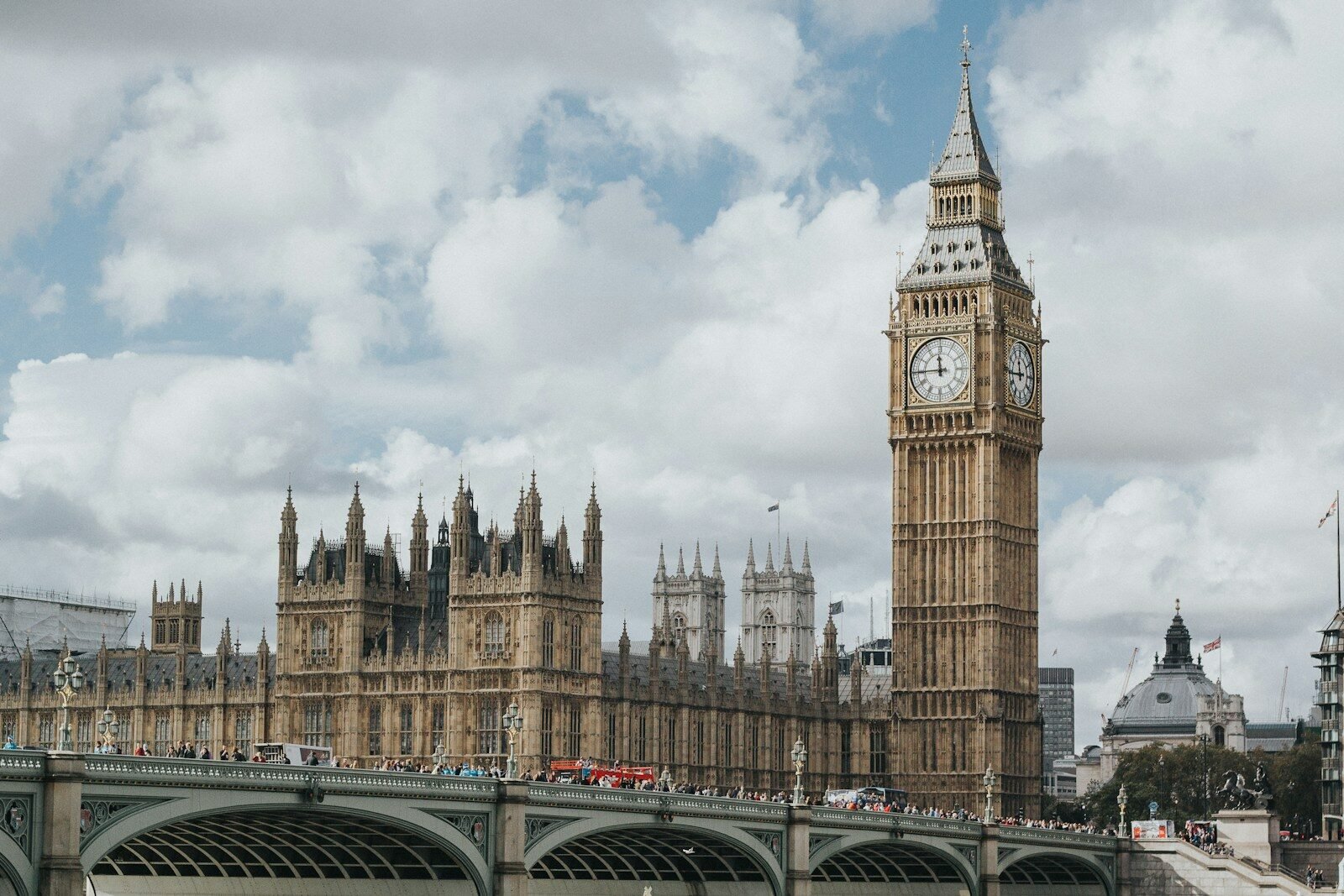
London provides a particularly interesting example of this changing reality. As one of the world’s most internationally connected cities, it attracts professionals, entrepreneurs, students and visitors from many different backgrounds. Their lifestyles, expectations and approaches to social interaction help shape a constantly evolving urban culture.
Understanding how people connect in such an environment offers a fascinating perspective on contemporary relationships, personal independence and the value of shared experiences.
The Changing Nature of Social Interaction
Social relationships have changed considerably over the past two decades. Technology has transformed communication, international mobility has increased, and traditional expectations surrounding personal relationships have become more flexible.
People no longer rely exclusively on established friendship circles or conventional social environments to meet others. Digital communities, professional networks, cultural activities and specialised platforms have expanded the possibilities for making connections.
London reflects these developments particularly clearly.
The capital brings together people whose professional commitments, cultural backgrounds and personal circumstances can differ substantially. Some have lived in the city for decades, while others remain for only a few months.
This diversity creates opportunities for social experiences that might be difficult to find in smaller communities.
However, having numerous possibilities does not automatically make developing personal connections easier. Time, compatibility and individual expectations still play essential roles.
Why Personal Independence Matters More Than Ever
One of the most noticeable characteristics of contemporary urban life is the growing importance of individual choice.
Many adults prefer to organise their personal lives around their own schedules, interests and circumstances rather than following traditional expectations.
For professionals with demanding careers, flexibility can be particularly valuable. International business trips, irregular working hours and frequent travel sometimes make maintaining established social routines more complicated.
Others simply appreciate having the freedom to decide how, when and with whom they spend their leisure time.
This emphasis on independence has influenced numerous areas of modern society, including travel, hospitality, entertainment and online social platforms.
Rather than offering identical experiences to everyone, many services increasingly recognise the importance of personal preferences and individual circumstances.
Digital Platforms and Personalised Social Experiences
Online platforms have become an established part of how adults explore different aspects of social life.
From professional networking communities to specialist interest groups, digital services allow users to discover opportunities that correspond to their particular interests.
In London, this variety also extends to adult-oriented advertising directories and companionship-related platforms.
For example, individuals searching for escorts London may find online directories where independent advertisers publish profiles with information about their location, interests, languages and preferred methods of contact.
These websites can help users explore publicly available information before deciding whether to initiate a conversation.
It is important, however, to distinguish between platforms that publish third-party advertisements and businesses that directly arrange or provide services.
As with any form of online interaction, transparency, respect for personal boundaries, clear expectations and compliance with applicable laws are fundamental.
Adults should also prioritise their privacy and personal safety when communicating with people they have not previously met.
London’s International Population and Cultural Diversity
London’s social identity is closely connected to its multicultural population.
People from different countries bring their languages, customs, professional experiences and cultural perspectives to the capital, creating an environment in which international connections form a natural part of everyday life.
This diversity is visible in workplaces, educational institutions, artistic communities and social gatherings.
It also influences how people approach communication.
What feels familiar or appropriate in one cultural setting may be interpreted differently in another. Developing awareness of these differences can make social interactions more comfortable and rewarding.
For international visitors, learning about local customs and expectations can be particularly useful.
British social culture often places considerable value on politeness, personal space and respect for individual privacy. Although attitudes naturally vary between people, these principles provide a useful starting point for unfamiliar situations.
The ability to communicate openly while respecting differences is one of the most valuable qualities in any modern social environment.
The Importance of Shared Interests
Although digital platforms make introductions easier, shared interests often remain central to developing enjoyable social experiences.
London offers an extensive variety of activities through which people can discover common ground.
Art exhibitions, educational workshops, language exchanges, sporting activities and professional events attract participants with different backgrounds and motivations.
Some experiences encourage conversation naturally, while others allow people to develop connections gradually through repeated participation.
For those who have recently moved to the capital, interest-based communities can provide a useful foundation for building a social network.
International residents may find language groups particularly helpful, while creative professionals often gravitate towards collaborative projects and cultural organisations.
The essential advantage of shared interests is that they create a common starting point for communication.
Instead of relying entirely on first impressions, people can connect through subjects and activities they genuinely enjoy.
Privacy and Respect in Contemporary Relationships
As social interactions become increasingly digital, questions surrounding privacy have gained importance.
People regularly share personal information through websites, applications and messaging services, sometimes without considering how that information may be stored or used.
Taking a thoughtful approach to digital communication can help reduce unnecessary risks.
This includes understanding the privacy settings of online platforms, avoiding the disclosure of sensitive personal details and remaining cautious when communicating with unfamiliar contacts.
Respect for boundaries is equally important.
Every individual has different preferences regarding communication, personal information and the pace at which relationships develop.
Clear communication helps avoid misunderstandings and establishes expectations that both parties can understand.
Consent, honesty and mutual consideration are not simply formal principles. They are essential elements of healthy social interaction, regardless of whether a connection begins online or in person.
Balancing Professional Commitments and Personal Life
London’s professional environment is highly competitive, and many residents experience demanding schedules.
Long working hours, international meetings and frequent travel can leave limited opportunities for leisure and social activities.
Maintaining a satisfying personal life therefore often requires conscious planning.
Some people establish regular routines around exercise, cultural activities or community participation. Others prefer spontaneous experiences that provide a contrast to their professional responsibilities.
Neither approach is necessarily better.
The most suitable balance depends on personal circumstances, professional obligations and individual priorities.
What matters is recognising that social wellbeing deserves attention alongside career development and other responsibilities.
Making time for enjoyable interactions can contribute to a more fulfilling everyday experience, particularly in a fast-paced metropolitan environment.
The Future of Social Life in London
Technology will undoubtedly continue to influence the way people communicate and organise their social experiences.
Digital communities are likely to become increasingly specialised, while changing working patterns may encourage more flexible approaches to leisure and personal relationships.
At the same time, face-to-face interaction remains important.
Many people appreciate the convenience of online communication but continue to value conversations, shared activities and personal experiences that extend beyond a screen.
London is particularly well positioned to reflect these developments because of its international population, cultural diversity and constantly changing professional landscape.
The city’s social environment is unlikely to follow a single model. Instead, it will continue accommodating different lifestyles, expectations and ways of connecting.
A City of Individual Choices and Opportunities
London demonstrates how modern social life can combine independence, technology and cultural diversity.
The capital offers residents and visitors opportunities to meet people, explore shared interests and develop experiences suited to their own circumstances.
While digital platforms have expanded the possibilities for communication, the foundations of positive personal interaction remain remarkably consistent.
Respect, transparency, consideration and genuine mutual interest continue to matter.
In a city where millions of individual stories intersect, the freedom to create meaningful experiences on personal terms remains one of London’s most distinctive qualities.
About the Author