Robotics is entering a new phase in which machines are becoming more capable of understanding their surroundings, processing information, and performing tasks with greater independence. Advances in artificial intelligence, computer vision, sensors, high-performance computing, and mechanical engineering are helping robots move beyond repetitive automation toward intelligent systems that can operate in dynamic environments.
This transformation is creating new opportunities across manufacturing, logistics, healthcare, hospitality, research, retail, and commercial environments. For businesses exploring these technologies, understanding the different types of robots and the infrastructure behind them is essential for making informed technology decisions.
The Evolution of Intelligent Robotics
Earlier generations of industrial robots were primarily designed to perform predefined movements in controlled environments. Modern robotic systems can incorporate artificial intelligence to interpret visual information, recognize objects, navigate spaces, and respond to changing conditions.
This shift is largely driven by the combination of AI software and increasingly powerful hardware. Cameras and sensors collect information from the surrounding environment, while processors and GPUs analyze that information. Robotics software can then use the resulting data to determine how a machine should move or respond.
As a result, robotics is no longer limited to factories. Intelligent machines are being explored for applications where flexibility, mobility, and interaction with people are important.
Consumer and Service Robots for Practical Applications
consumer and service robots are becoming increasingly relevant in environments where machines can assist people with everyday or commercial tasks. Depending on their design, these robots may be used for cleaning, delivery, navigation, inspection, information assistance, and other support functions.
One of the major advantages of service robotics is the ability to automate tasks without completely redesigning the environment. A robot equipped with appropriate sensors, navigation technology, and onboard computing can potentially operate in offices, hotels, warehouses, healthcare facilities, and other public or commercial spaces.
Selecting the right robot, however, requires more than looking at its appearance or basic capabilities. Buyers should evaluate operating time, payload, navigation accuracy, connectivity, software compatibility, maintenance requirements, safety features, and scalability. The best solution is ultimately the one that matches the specific operating environment and business objective.
Humanoid Robots and Human-Centered Environments
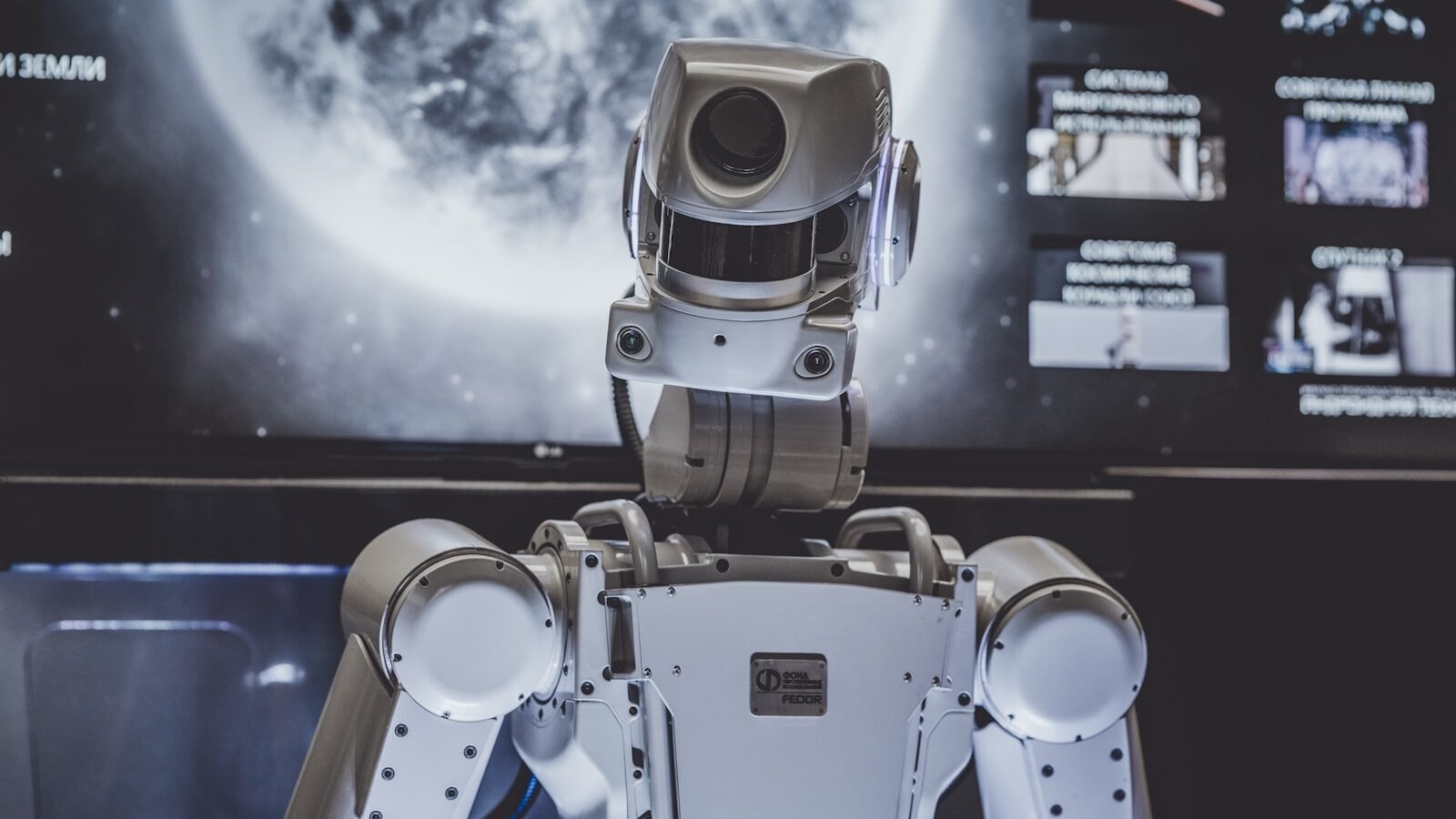
humanoid robots have attracted significant attention because their physical structure is designed around the way humans interact with the world. A human-like form may allow robotic systems to work in environments that already contain stairs, shelves, doors, tools, workstations, and other infrastructure designed for people.
Humanoid robotics combines several complex technologies. These can include computer vision, motion control, artificial intelligence, force sensing, actuators, batteries, embedded computing, and advanced software. All of these components must work together for a robot to maintain balance, understand its surroundings, and perform physical actions.
Despite rapid progress, humanoid robots still face important engineering challenges. Reliability, energy consumption, dexterity, safety, computational requirements, and real-world performance all need to be considered before large-scale deployment. Demonstrations can show what a platform is capable of, but businesses should also examine measurable specifications and practical use cases.
Why AI Computing and GPUs Matter
Artificial intelligence requires substantial computing resources, particularly when a robotic system needs to process images, recognize objects, understand its surroundings, or make decisions in real time. Graphics processing units, commonly known as GPUs, can provide the parallel computing performance required by many AI workloads.
GPUs can support both AI model development and deployment. They may be used for training machine learning systems, processing computer-vision workloads, running inference, and supporting robotic simulation environments.
Hardware selection should nevertheless be based on the actual requirements of a project. Factors such as computing performance, memory capacity, power consumption, physical size, thermal management, software compatibility, and operating conditions can influence which GPU or computing platform is appropriate.
The Importance of Specialized Technology Procurement
Developing or deploying an advanced robotic system often involves sourcing considerably more than a complete robot. Organizations may require GPUs, sensors, embedded computers, communication equipment, drones, controllers, cameras, batteries, and other specialized components.
This makes technology procurement an important part of robotics development. A specialized AI Robot Supplier can help organizations identify relevant technologies and understand how different hardware options may fit their intended application.
Effective procurement should consider technical specifications, compatibility, availability, lifecycle support, integration requirements, and total cost. This approach can reduce the risk of selecting equipment that looks suitable on paper but creates integration or performance problems later in the project.
How Businesses Can Evaluate Robotics Solutions
Organizations considering robotics should begin by defining the problem they want the technology to solve. A clear use case makes it easier to identify the required hardware, software, sensors, computing resources, and operating capabilities.
- Define the application: Establish exactly what the robot needs to accomplish and where it will operate.
- Evaluate technical specifications: Compare payload, mobility, processing power, sensors, battery capacity, and communication capabilities.
- Check compatibility: Make sure hardware and software components can communicate and operate together effectively.
- Consider safety: Robots operating around people require appropriate safety mechanisms and careful environmental evaluation.
- Plan for scalability: Consider whether the chosen technology can support additional units, applications, or future upgrades.
- Assess long-term costs: Purchase price is only one part of the investment. Maintenance, energy use, integration, training, and support can also affect total cost of ownership.
Where Robotics Is Heading Next
The future of robotics will likely be defined by deeper integration between artificial intelligence, physical machines, and high-performance computing. Robots are becoming increasingly capable of interpreting information instead of simply following fixed instructions.
Service robots may expand into additional commercial environments, while humanoid platforms could continue to develop for applications requiring human-like movement. Advances in AI computing may also allow robots to process increasingly complex information locally and respond more quickly to their surroundings.
At the same time, responsible deployment will remain important. Reliability, cybersecurity, safety, privacy, energy efficiency, and regulatory requirements should be considered alongside technical performance. The most successful robotics projects will therefore combine innovative technology with practical engineering and careful implementation.
Frequently Asked Questions
What is an AI-powered robot?
An AI-powered robot is a robotic system that uses artificial intelligence technologies such as machine learning, computer vision, or intelligent decision-making to interpret information and perform tasks with greater autonomy.
What are consumer and service robots used for?
Consumer and service robots can assist with tasks such as cleaning, delivery, navigation, inspection, customer assistance, and other activities in residential and commercial environments.
Why do robots need GPUs?
GPUs can provide the parallel processing capabilities needed for demanding AI workloads, including computer vision, machine learning inference, simulation, and real-time data processing.
What makes humanoid robots different?
Humanoid robots are designed with a human-like body structure that can help them interact with environments created for people. Their development typically combines AI, sensors, actuators, motion control, and advanced computing.
What should businesses consider when buying robotics technology?
Businesses should consider the intended application, technical specifications, compatibility, safety, reliability, maintenance, scalability, supplier support, and total cost of ownership before selecting a robotics solution.
Conclusion
AI is changing robotics from a technology focused primarily on repetitive automation into a broader ecosystem of intelligent machines capable of sensing, processing, navigating, and interacting with their environments. Consumer and service robots, humanoid platforms, GPUs, drones, and specialized computing components are all contributing to this evolution.
For organizations entering this market, the key is not simply choosing the newest robotic technology. A successful deployment starts with a clearly defined use case, reliable hardware, compatible systems, appropriate computing resources, and a procurement strategy built around long-term requirements. With careful evaluation, intelligent robotics can become a practical tool for improving efficiency, expanding capabilities, and preparing businesses for the next generation of automation.
About the Author