Over the past decade, cosmetic dentistry became closely linked with very white, uniform smiles that looked striking on screen but often felt out of place in daily life. By 2026, public taste has shifted. Many people now want results that sit comfortably with their face, age, and expression.
This change has led to growing interest in composite bonding veneers as part of a more careful, restrained approach to cosmetic dental care. The focus has moved away from dramatic change and toward subtle improvement that still looks like the person in the mirror.
Why The Bold Veneer Trend Is Losing Favour
Highly altered smiles once symbolised confidence and success. Over time, however, many patients began to feel those looks did not suit them long term. Uniform tooth length, extreme whiteness, and heavy reshaping can draw attention for the wrong reasons.
In contrast, people exploring composite bonding veneers often want to correct chips, small gaps, or uneven edges without altering the entire smile. This shift reflects a broader move toward authenticity in beauty and wellness choices.
Subtle Change Now Feels More Appropriate
Cosmetic dentistry today is less about transformation and more about refinement. Patients are asking for outcomes that respect their natural tooth shape and facial features.
Using composite bonding veneers allows clinicians to work conservatively. Material is added only where needed, rather than removing healthy enamel across several teeth. This approach suits those who want improvement without a sense of artificial change.
Composite Bonding And Veneers Serve Different Needs
There is often confusion between bonding and veneers. Both can improve appearance, but they work in different ways.
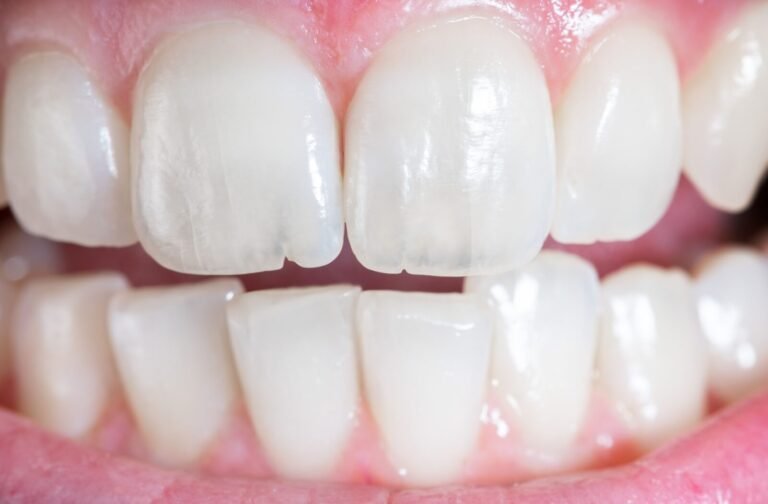
Composite bonding involves adding tooth-coloured material directly to the surface. It is often used for small corrections and can usually be adjusted or repaired over time. Veneers involve placing a thin shell over the tooth, which may require some enamel removal.
Patients considering composite bonding veneers are often guided by factors such as tooth condition, desired change, and long-term care needs. In many cases, bonding suits minor issues, while veneers may be considered for more extensive concerns, provided they are planned conservatively.
Shade Choice Matters More Than Brightness
One of the strongest trends in 2026 is a move away from very white shades. Teeth that are too light can appear flat or out of place, especially as skin tone changes with age.
When planning composite bonding veneers, clinicians often choose shades that reflect how real teeth look in natural light. Slight variation between teeth can help the smile sit more comfortably with facial features rather than standing apart from them.
Facial Harmony Guides Modern Smile Planning
A smile does not exist in isolation. Lip movement, face shape, and even speech patterns influence how dental work appears in daily life.
Conservative cosmetic care considers these elements before any material is added. This is one reason composite bonding veneers are being chosen more often. They allow for careful shaping and fine adjustment during placement, rather than committing to a fixed outcome.
Ethics Are Shaping Cosmetic Choices
There is growing discussion within UK dentistry about ethical cosmetic care. This centres on preserving healthy tooth structure and ensuring patients understand long-term effects.
Choosing composite bonding veneers can align with this thinking when used appropriately. Less drilling means more natural enamel is retained, and changes can often be reversed or refined as needs change.
A long-established practice such as Cyncoed Dental Practice reflects this philosophy by encouraging patients to explore conservative options before committing to more invasive work.
Longevity Depends On Care, Not Drama
No cosmetic treatment is permanent without care. Bonding can stain or wear over time, and veneers require ongoing monitoring. What matters most is whether the chosen option fits the patient’s habits and expectations.
Patients opting for composite bonding veneers are often advised on realistic upkeep, including routine dental visits and mindful eating habits. This clarity supports better long-term satisfaction.
A Quieter Form Of Confidence
The appeal of modern cosmetic dentistry lies in restraint. People want to look like themselves, just refreshed. Friends may notice a change without immediately identifying dental work as the reason.
This is why composite bonding veneers are gaining attention across beauty, wellness, and dental commentary spaces. They support improvement without overpowering the individual.
Final Thoughts
Cosmetic dentistry in 2026 is guided by thoughtfulness rather than excess. The move away from dramatic smiles reflects a wider preference for care that respects individuality and long-term health.
For those seeking gentle improvement, composite bonding veneers offer a flexible and conservative option. When planned carefully, they allow smiles to feel balanced, comfortable, and true to the person wearing them.
About the Author