
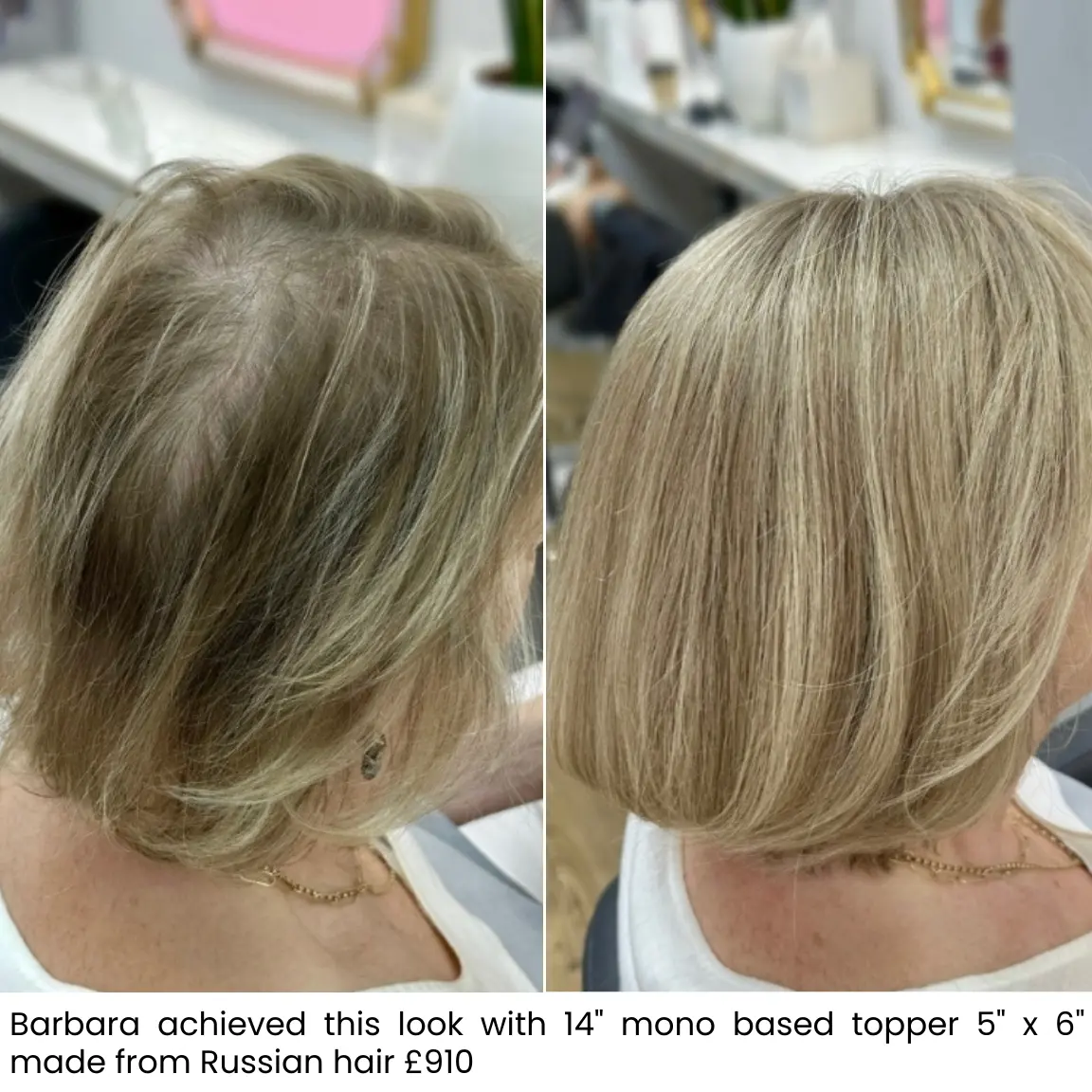
Hair thinning is one of the most common yet least openly discussed changes women experience after 40. While conversations around menopause have become more visible in the UK, many women still say they feel overlooked by the beauty industry when it comes to realistic hair advice and support.
Research from menopause specialists and women’s health organisations shows the issue is far from rare. A large UK poll found that around half of respondents noticed some level of hair thinning during perimenopause or menopause. The British Menopause Society has also published guidance explaining that hormonal shifts can affect hair density, texture, and growth patterns.
Despite this, much of the beauty content aimed at women still focuses heavily on younger audiences or dramatic hair trends. Everyday concerns such as thinning at the crown, reduced volume, or visible scalp around the temples often receive very little practical attention.
As a result, more women are beginning to look for discreet, wearable solutions that fit naturally into daily life. One option growing steadily in popularity is toppers.
Why Hair Changes Become More Noticeable After 40
Hair naturally changes with age, but hormonal changes during perimenopause can speed up the process for many women.
Oestrogen plays a role in supporting the hair growth cycle. As hormone levels shift, some women notice increased shedding, slower regrowth or hair becoming finer than it once was. Stress, poor sleep, nutritional deficiencies and genetics also contribute.
Unlike sudden hair loss, perimenopause-related thinning develops gradually. Women may first notice-
- A wider parting
- Reduced volume around the crown.
- Thinner ponytails
- More scalp visibility under bright lighting.
- Hair that struggles to hold style or shape.
These changes can affect confidence in subtle but meaningful ways. Many women say they still feel like themselves internally but no longer recognise their hair in the mirror.
Why the Beauty Industry Has Been Slow to Address It
The beauty industry has traditionally linked healthy hair with youth. Advertising campaigns often centre around thick, glossy styles worn by women in their twenties and thirties, while conversations about ageing hair remain limited.
When thinning hair is discussed, the language can also feel highly clinical or overly medicalised. That approach does not always reflect what women are actually looking for.
Most women dealing with mild or moderate thinning are not searching for dramatic transformation. They are usually looking for practical ways to restore natural fullness and feel more comfortable with their appearance.
This gap in conversation has created growing interest in solutions that feel realistic, subtle, and easy to wear.
Why More Women Are Choosing Toppers
Toppers are designed to blend with a person’s existing hair while adding coverage and volume in targeted areas.
They are commonly used around the crown and parting, which are the first areas affected by hormonal thinning. Unlike full wigs, toppers work with natural hair rather than replacing it completely.
For many women, this feels less intimidating and more manageable.
Modern toppers are also very different from the heavy or overly styled hair pieces many people remember from previous decades. Lightweight construction, natural colour matching and softer hairlines have made them easier to wear comfortably in everyday settings.
Women often choose toppers because they-
- Add volume where thinning is most visible.
- Blend into existing hairstyles.
- Require less commitment than permanent treatments.
- Can support confidence during social or professional situations.
Importantly, many women are not trying to look different. They simply want their hair to look closer to how it once did.
The Emotional Impact of Hair Thinning
Hair thinning is often described as cosmetic but many women experience it emotionally as well.
Hair is closely linked with identity and self-image. Changes in density or texture can affect how women feel during work meetings, social events or even routine daily activities.
Some women begin avoiding certain hairstyles or bright lighting. Others spend significant time trying to conceal thinning areas with powders, sprays or styling techniques.
This is one reason why discreet solutions such as toppers have become more widely discussed in recent years. They offer support without requiring women to dramatically alter their appearance.
A respected London hair studio such as Tatiana Karelina has contributed to this shift by focusing on natural-looking hair integration designed for women seeking subtle volume rather than dramatic transformation.
A Wider Change in the Conversation Around Menopause
The discussion around menopause in Britain has changed significantly over the last few years. Public awareness campaigns, workplace conversations, and women’s health advocates have helped bring topics such as sleep disruption, anxiety, skin changes, and hair thinning into mainstream discussion.
That visibility matters because many women previously believed they were experiencing these changes alone.
As conversations become more open, women are increasingly seeking information earlier rather than waiting until thinning becomes severe. They are also approaching hair support in a more practical and informed way.
Instead of treating hair thinning as something shameful, many now view it as a normal part of hormonal change that can be managed thoughtfully.
Final Thoughts
Hair thinning after 40 is far more common than many women realise, particularly during perimenopause and menopause. Yet beauty conversations have often failed to reflect the experiences of women navigating these changes in everyday life.
The growing interest in toppers shows a clear shift toward realistic, wearable hair solutions that support confidence without dramatic change.
More importantly, it reflects a wider cultural change. Women are becoming more open about ageing, hormonal health and the physical changes that come with different stages of life, including hair thinning.
About the Author