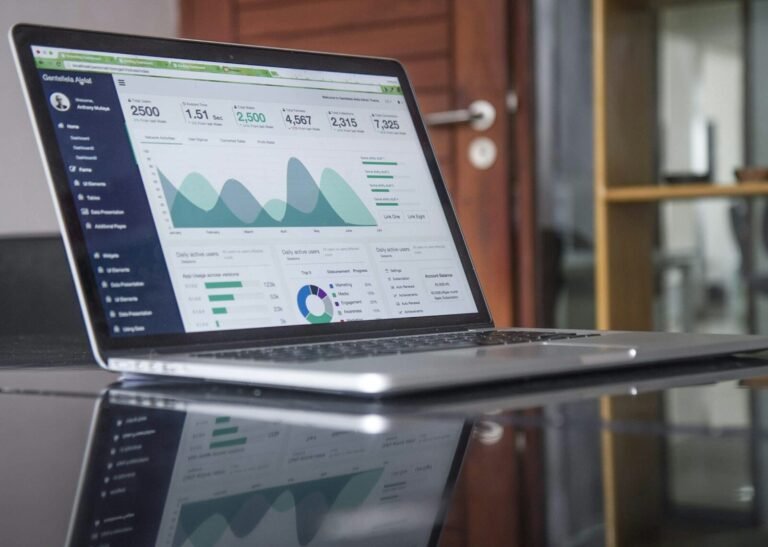

In the age of infinite digital noise, the most important productivity skill is the ability to maintain focus. The primary purpose of AI Productivity Tools focused on “attention management” is to create a digital shield that protects the user from distractions. These tools use machine learning to identify a user’s most common focus-killers—such as specific websites, social media notifications, or even certain types of music—and automatically blocks or silences them during “focus sessions.” By providing a structured environment for deep work, AI allows professionals to achieve in two hours what previously took an entire day of interrupted effort.
The target audience for these tools includes writers, researchers, and developers who require long periods of uninterrupted concentration. These users often suffer from the “attention fragmenting” effects of the modern web, where a single notification can derail a train of thought for twenty minutes. AI focus assistants act as a digital gatekeeper, only allowing through the most urgent communications. Additionally, for students with attention disorders like ADHD, these tools provide an essential scaffolding of support, using gamification and intelligent reminders to keep them on track with their learning goals.
The benefits of AI-driven focus management are found in mental well-being and high-end output quality. By entering a state of “deep work” more frequently, professionals can produce work that is more original, rigorous, and sophisticated. Secondly, the reduction in multitasking leads to lower levels of stress and a higher sense of job satisfaction. Furthermore, the analytics provided by these tools allow users to understand their own biological “productivity peaks,” helping them schedule their most difficult tasks for when they have the highest natural focus. This alignment of work with human biology is the ultimate secret to sustainable productivity.
Usage involves a “focus mode” that a user activates on their devices. The AI then analyzes the user’s activity; if it detects the user attempting to navigate to a distracting site during a work block, it might present a motivational quote or a reminder of the user’s long-term goals to redirect their attention. Some advanced tools even use eye-tracking or biometric sensors to detect when a user’s focus is drifting and suggest a short, restorative break. This responsive loop ensures that the user maintains a healthy and productive pace. To see how retailers use similar “engagement tracking” to understand customer focus in-store, visit the https://aimarketcap.io/category-ai/retail/ section for more insights.
About the Author