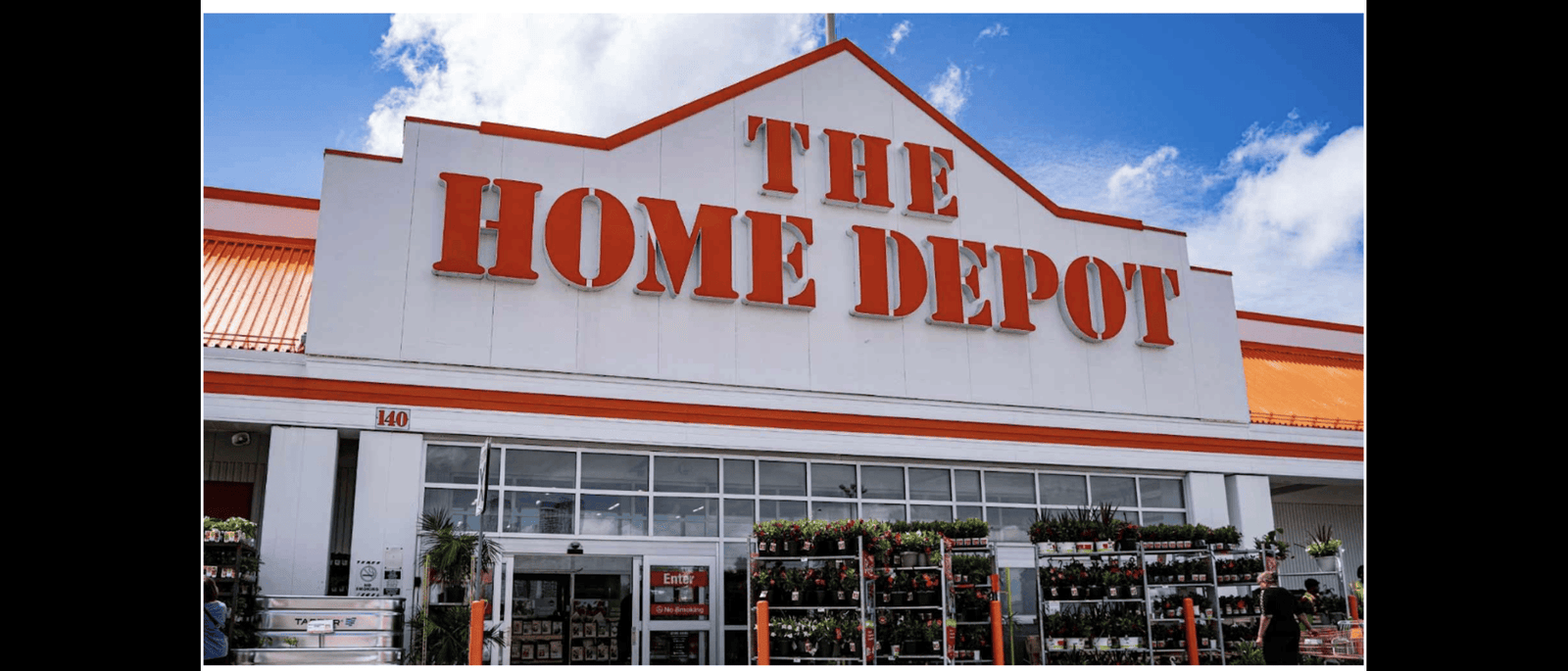
A major development in the retail sector has emerged as a leading competitor of Home Depot has officially entered financial restructuring. The news that a home depot rival files for bankruptcy chapter 11 has drawn significant attention from customers, investors, and industry analysts alike. The company at the center of this situation is LL Flooring, a well-established flooring retailer operating more than 300 locations across the United States.
This announcement, although described as “quiet,” carries substantial implications for the home improvement industry. While many stores continue to operate, the confirmation that a home depot rival files for bankruptcy chapter 11 reflects deeper economic challenges affecting mid-sized retail chains. As part of its restructuring strategy, the company has confirmed the immediate closure of 94 stores, marking a significant step in its attempt to stabilize operations.
Background of the Company and Industry Position
Over the years, LL Flooring built a strong presence in the flooring market by offering competitive pricing and a wide range of products. Originally known as Lumber Liquidators, the company gained popularity among homeowners and contractors looking for cost-effective renovation solutions.
However, as the market evolved, competition intensified—particularly from large-scale retailers like Home Depot. These industry leaders leveraged advanced supply chains, digital platforms, and bulk purchasing advantages, making it increasingly difficult for smaller competitors to maintain market share. This shift ultimately contributed to the situation where a home depot rival files for bankruptcy chapter 11, signaling a turning point in the competitive landscape.
Reasons Behind the Bankruptcy Filing
The fact that a home depot rival files for bankruptcy chapter 11 did not occur suddenly. Instead, it was the result of multiple financial and operational challenges that accumulated over time.
Several key factors contributed to the company’s financial decline:
- Rising inflation significantly increased operational and product costs
- Supply chain disruptions affected inventory availability and pricing
- Reduced consumer spending on home improvement projects
- Higher interest rates discouraged renovation investments
- Increased competition from major retailers like Home Depot
- Shift in consumer behavior toward online purchasing
These combined pressures created an unsustainable financial environment, ultimately leading to the decision that a home depot rival files for bankruptcy chapter 11 in order to restructure and survive.
What Chapter 11 Bankruptcy Means
To understand the situation fully, it is important to clarify what Chapter 11 bankruptcy entails. When a home depot rival files for bankruptcy chapter 11, it does not necessarily mean the company is shutting down entirely.
Instead, Chapter 11 allows businesses to:
- Continue operations while restructuring debts
- Negotiate new terms with creditors
- Close underperforming locations
- Seek new investors or buyers
- Reorganize internal operations
This legal framework provides companies with an opportunity to recover, although success is not guaranteed.
Immediate Store Closures and Operational Changes
One of the most visible outcomes of this situation is the closure of multiple retail locations. As the news spread that a home depot rival files for bankruptcy chapter 11, the company confirmed that 94 stores would close immediately.
Key operational updates include:
- 94 locations shutting down across multiple states
- More than 300 stores continuing operations temporarily
- Clearance and liquidation sales introduced in closing stores
- Focus shifting toward profitable locations
- Reduction of overall retail footprint
These closures are part of a broader cost-cutting strategy designed to improve financial stability.
Financial Overview and Restructuring Efforts
Financial disclosures provide insight into the scale of the challenges faced by the company. The fact that a home depot rival files for bankruptcy chapter 11 reflects both declining revenues and increasing liabilities.
Important financial highlights include:
- Assets estimated in the hundreds of millions
- Significant liabilities impacting cash flow
- Approximately $130 million secured in financing
- Ongoing efforts to attract investors or buyers
This financial support enables the company to maintain operations during the restructuring process, giving it a chance to recover.
Impact on Customers and Market Confidence
When a home depot rival files for bankruptcy chapter 11, customers are often directly affected. In this case, the impact varies depending on location and timing.
Customers may experience:
- Delays in order fulfillment
- Changes in return and refund policies
- Limited warranty support
- Reduced product availability
At the same time, liquidation sales in closing stores offer significant discounts, creating short-term opportunities for buyers.
Employee and Workforce Implications
The human impact of this development cannot be overlooked. As a home depot rival files for bankruptcy chapter 11, thousands of employees face uncertainty regarding their jobs.
Key workforce effects include:
- Job losses due to store closures
- Reduced working hours in operational locations
- Increased uncertainty about long-term employment
- Organizational restructuring at multiple levels
This highlights the broader economic impact of retail bankruptcies beyond financial figures.
Industry Trends and Competitive Pressure
The fact that a home depot rival files for bankruptcy chapter 11 reflects wider trends within the retail and home improvement sectors. Companies across the industry are facing similar challenges due to changing economic conditions.
Major trends include:
- Declining demand for large-scale home renovations
- Rising operational and supply chain costs
- Rapid growth of e-commerce platforms
- Increased dominance of large retailers
- Shifts in consumer spending behavior
These factors indicate that the challenges faced by LL Flooring are not isolated but part of a broader industry transformation.
Future Outlook and Possible Scenarios
Looking ahead, the future of LL Flooring remains uncertain. While Chapter 11 provides an opportunity for recovery, the outcome will depend on several factors.
Possible scenarios include:
- Successful restructuring and continued operations
- Acquisition by a larger company
- Partial sale of assets
- Complete liquidation if recovery fails
Each of these outcomes carries different implications for customers, employees, and the industry.
Final Thoughts
The news that a home depot rival files for bankruptcy chapter 11 serves as a powerful reminder of the challenges facing modern retail businesses. Despite having a strong brand presence and hundreds of locations, LL Flooring was unable to withstand the combined pressures of economic change and intense competition.
While Chapter 11 offers a potential path to recovery, it also signals a critical moment of transformation. For the home improvement industry, this development highlights the importance of adaptability, financial discipline, and innovation in an increasingly competitive market.
FAQs
1. Who is the Home Depot rival that filed for bankruptcy?
The company is LL Flooring, formerly known as Lumber Liquidators, a major flooring retailer in the United States.
2. How many stores are closing due to the bankruptcy?
LL Flooring announced that 94 of its 300+ stores will close immediately as part of its Chapter 11 restructuring.
3. What does Chapter 11 bankruptcy mean for the company?
Chapter 11 allows the company to restructure its debts, reorganize operations, and continue functioning while negotiating with creditors.
4. Why did LL Flooring file for bankruptcy?
The company faced rising operational costs, reduced consumer spending on home renovations, supply chain challenges, and increased competition.
5. Will the remaining stores continue operating?
Yes, over 200 locations will continue operations temporarily while the company reorganizes its business.
6. How does this bankruptcy affect customers?
Customers may experience changes in return policies, delays in orders, and limited warranty support, while some stores offer clearance sales.
7. What is the impact on employees?
Store closures and restructuring will lead to job losses, reduced hours, and increased uncertainty for staff across affected locations.
8. Could LL Flooring be acquired by another company?
Yes, during Chapter 11, the company may sell assets or be acquired by a competitor or investor to stabilize operations.
9. How does this affect the home improvement industry?
The bankruptcy highlights broader trends, including rising costs, e-commerce competition, and challenges for mid-sized retailers competing with giants like Home Depot.
About the Author